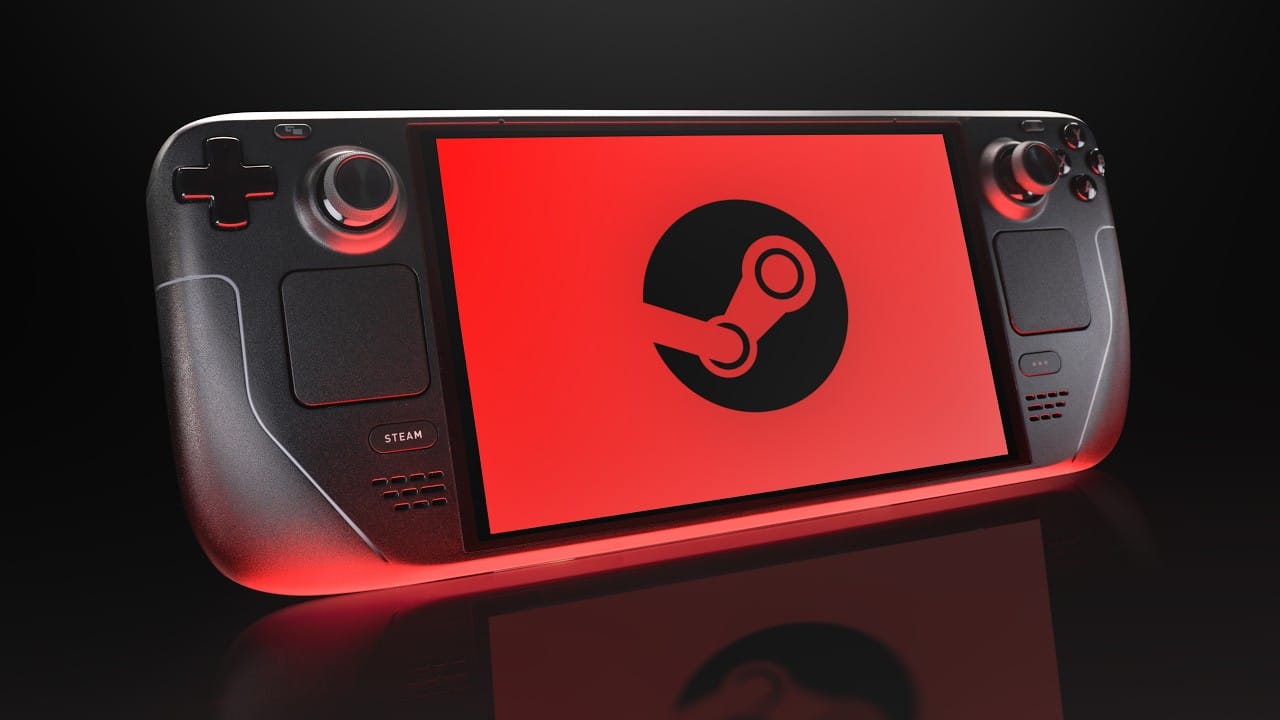
If you've noticed that everything, laptops, mini PCs, handhelds, even the famously cheap Steam Deck, got more expensive lately, you're not imagining it. The 1 TB Steam Deck OLED jumped $300 overnight (from $649 to $949), and Dave2D's latest video explains the root cause better than anything we've seen: a memory-pricing crisis driven by the AI boom. We summarized it so you understand exactly what's happening to the prices on every device we cover.
Full explainer: "Even The Steam Deck Got Hit", Dave2D
Why prices exploded
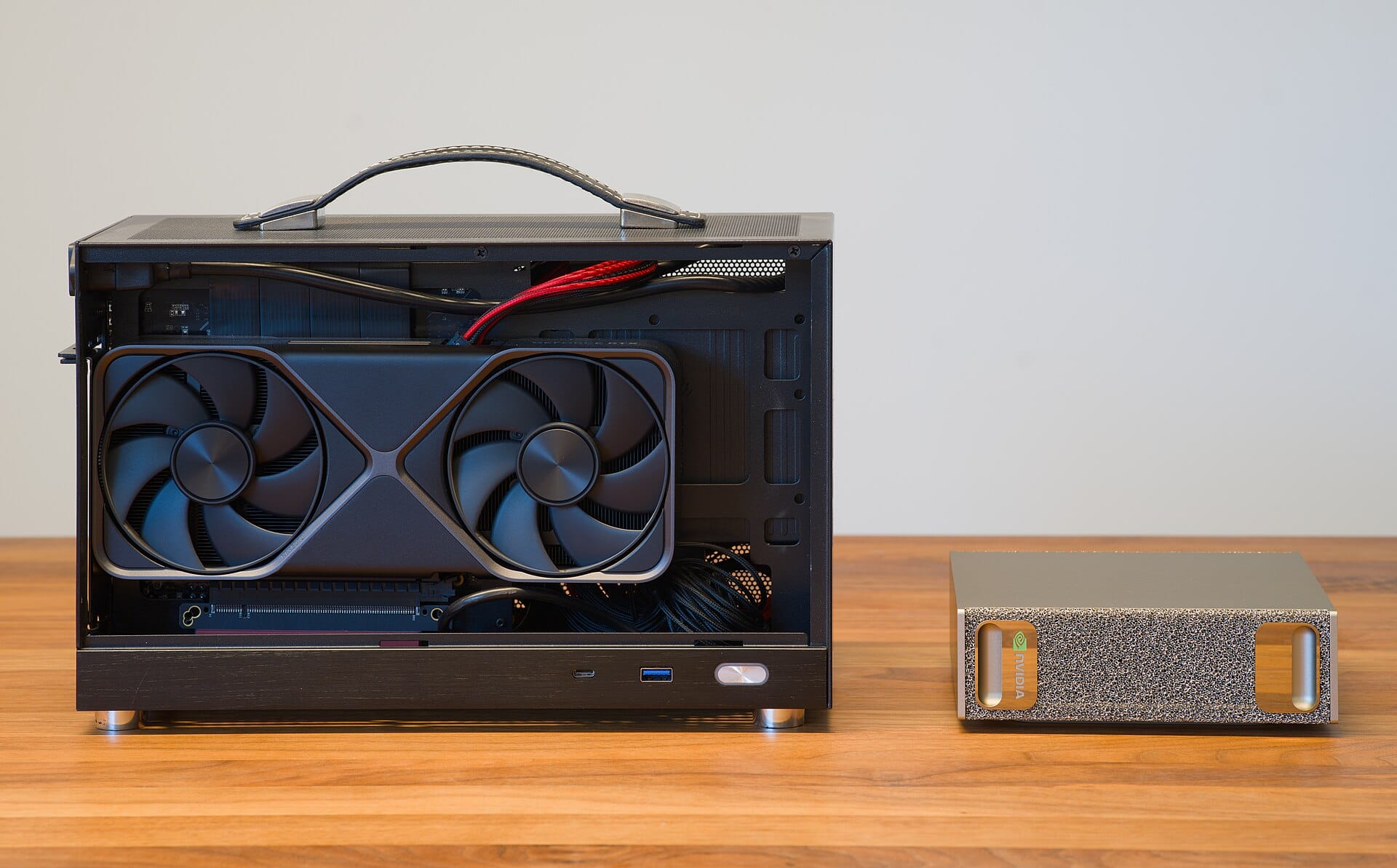
It comes down to memory. Roughly 90% of the world's DRAM is made by just three companies, Samsung, SK Hynix, and Micron. There are three flavors: DDR (desktops), LPDDR (laptops and phones), and HBM (the high-bandwidth memory inside the NVIDIA GPUs that run AI). Here's the killer detail: HBM needs roughly three times the factory capacity per gigabyte as regular memory, and its yields are brutal, Dave notes 35–40% of HBM output is scrapped. Because HBM is wildly profitable, the big three have shifted production toward it. Less regular DRAM is being made, demand stays high, and prices climb, until you get a nearly $1,000 Steam Deck.
Why it's not just "greedy companies"
The useful takeaway for buyers: this isn't Valve (or Apple, or ASUS) padding margins. The memory and storage inside these devices reportedly cost triple what manufacturers want to pay. It's also why the cheapest entry-level Mac mini quietly disappeared, why the Switch 2 got a pre-launch bump, and why the mini PCs we cover keep nudging up in price. The finger, Dave argues, points at the memory makers, an industry that learned to never overproduce after decades of boom-bust collapses.
What viewers are saying
The comment section appreciated the clarity, and captured the mood:
"Every computer in my house is worth more or the same as what I bought it for 2 to 5 years ago, but even if I sell them to make a profit, I can't afford to buy anything to fill their place.", @Collin_J
Others praised the breakdown itself: "One of the best explanations of the whole RAM situation and pricing… the difference between DDR, LPDDR and HBM" (@GetVladimir). It's a rare video where the educational detour is the value.
What people on Reddit are saying
The frustration is everywhere. r/gaming's "Steam Deck Price Increase" thread is full of buyers retreating to their backlogs and older consoles, with a weary "you will own nothing and like it" running through it. But there's a real glimmer of hope worth watching: r/technology has been circulating reports that memory prices may fall as China ramps up DRAM and NAND output, flooding the market. If that plays out, the current pricing could ease over the next year, which directly affects when you should buy.
The bottom line
If you need a device now, go in clear-eyed: today's prices reflect a genuine component crunch, not a temporary sale gap, so don't wait for a "deal" that may not come this quarter. If you can hold, watching the DRAM supply story is the smart move, added Chinese capacity could bring relief. For anyone buying anyway, the Steam Deck OLED is still one of the best-value handhelds even at the new price, precisely because Valve subsidizes the hardware. And if you're upgrading a desktop, lock in DDR5 kits sooner rather than later.