Every few weeks the "best open model" crown changes hands. This week it's GLM-5.2, from the Chinese lab Z.ai, and unusually, the claim has teeth: it sits at #1 on the independent Artificial Analysis Intelligence Index. It's also MIT-licensed, has a million-token context, and ships with a genuinely clever architecture trick. So should you download it? That's where this gets interesting, because the full weights are 1.51 TB, and "run it locally" means something very specific here. We haven't run it ourselves; what follows synthesizes Z.ai's own docs, independent benchmarks, owner reports, and the hardware math.
What it is, and what Z.ai claims
GLM-5.2 is a Mixture-of-Experts model: 753 billion total parameters, ~40 billion active per token (only a fraction of the network fires for any given token, the reason a model this large can run at all; see our MoE explainer). Per Z.ai's release, it's text-only, carries a 1-million-token context window (up from GLM-5.1's 200K), and ships under a permissive MIT license with weights on Hugging Face at zai-org/GLM-5.2. The open weights went public on June 16, 2026, days after a coding-plan-only soft launch.
The headline number is real and independently sourced: as Simon Willison documented, GLM-5.2 tops the Artificial Analysis Intelligence Index v4.1 at 51, ahead of MiniMax-M3, DeepSeek V4 Pro (both 44) and Kimi K2.6 (43), making it the strongest open-weight model on that leaderboard. Z.ai pitches it at agentic coding; VentureBeat reported Z.ai's claim that it beats GPT-5.5 on several long-horizon coding benchmarks at a fraction of the cost. Treat that last one as a vendor claim, on the head-to-head Code Arena WebDev board it lands #2, behind Claude Fable 5. Strong, not untouchable.
The one genuinely new idea: IndexShare
Most "point releases" are just more training. GLM-5.2's standout is architectural. Per Z.ai's technical blog (and summarized in latent.space's writeup), IndexShare reuses a single lightweight "indexer" across every four sparse-attention layers, the indexer runs once and its top-k token selections are reused for the next three layers. The payoff: a claimed 2.9× reduction in per-token compute (FLOPs) at the full 1M-token context, with the model trained this way from mid-training rather than bolted on after. A related tweak to the speculative-decoding (MTP) layer is claimed to raise acceptance length by up to 20%. In plain terms: this is co-design aimed squarely at making a million-token context affordable to serve, the kind of efficiency work that matters for long-horizon coding agents, not a benchmark-chasing gimmick.
What owners and reviewers find
The independent reception is warm but not uncritical. Simon Willison's vibe-tests cut both ways: his "pelican on a bicycle" SVG was "a very nice vector illustration… very impressive," while the same model's opossum was "such a step down from GLM-5.1!", a useful reminder that a #1 index score doesn't mean every output lands. On Hacker News, the dominant note was gratitude to Chinese labs "for being open with their work," a recurring theme as proprietary releases tighten up.
For a hands-on read, AI-hardware reviewer Bijan Bowen put GLM-5.2 through a 33-minute coding session. His "browser-OS" and game builds were a highlight, a GTA-style "Gangster City" clone he called "arguably one of the most properly city-scaled results I've seen," complete with working police-chase logic and a slick WebGL effect that lifts every window into a 3D starfield. The catch he kept hitting: it's token-hungry and slow to finish, one build ran ~15 minutes, and GLM-5.2 burns roughly 43k output tokens per task (vs GLM-5.1's 26k), which matters whether you're paying per-token or waiting on local hardware.
One more thing the community flagged: using Z.ai's hosted API raises data-residency questions for some users. That's an argument for the open weights, running them on your own hardware is the privacy-clean way to use this model. Which brings us to the only question that matters for a local-AI site.
Can you run it? The real hardware reality
This is where the romance meets the spec sheet. The full BF16 weights are 1.51 TB. Even heavily quantized, GLM-5.2 is not a "download and go" model for normal rigs:
| Quant | Memory needed | What runs it | Reality |
|---|---|---|---|
| Q4_K_M (4-bit) | ~476 GB | Multi-GPU server (2× A100 80GB / 4× RTX 6000 Ada) | Datacenter only |
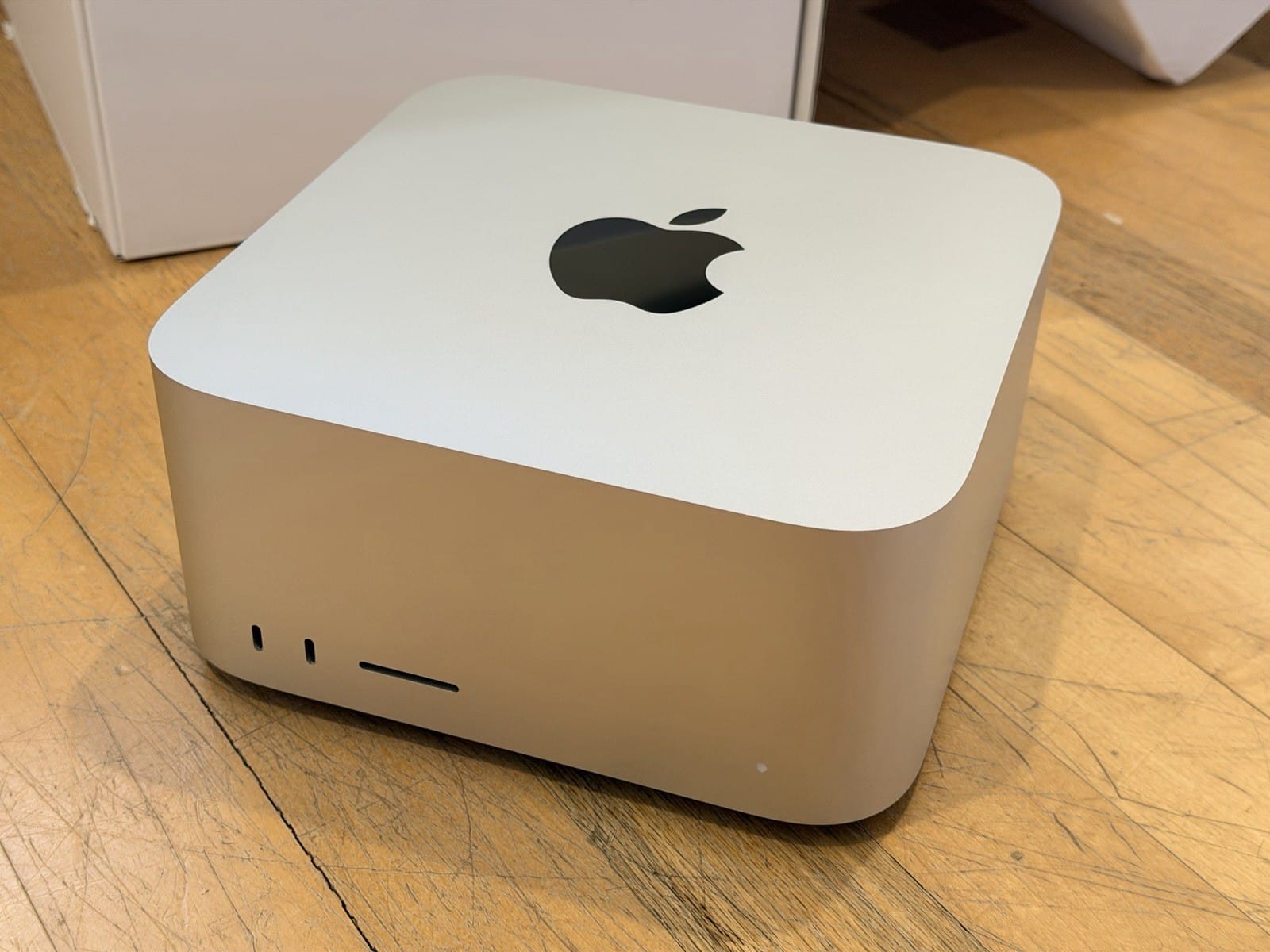
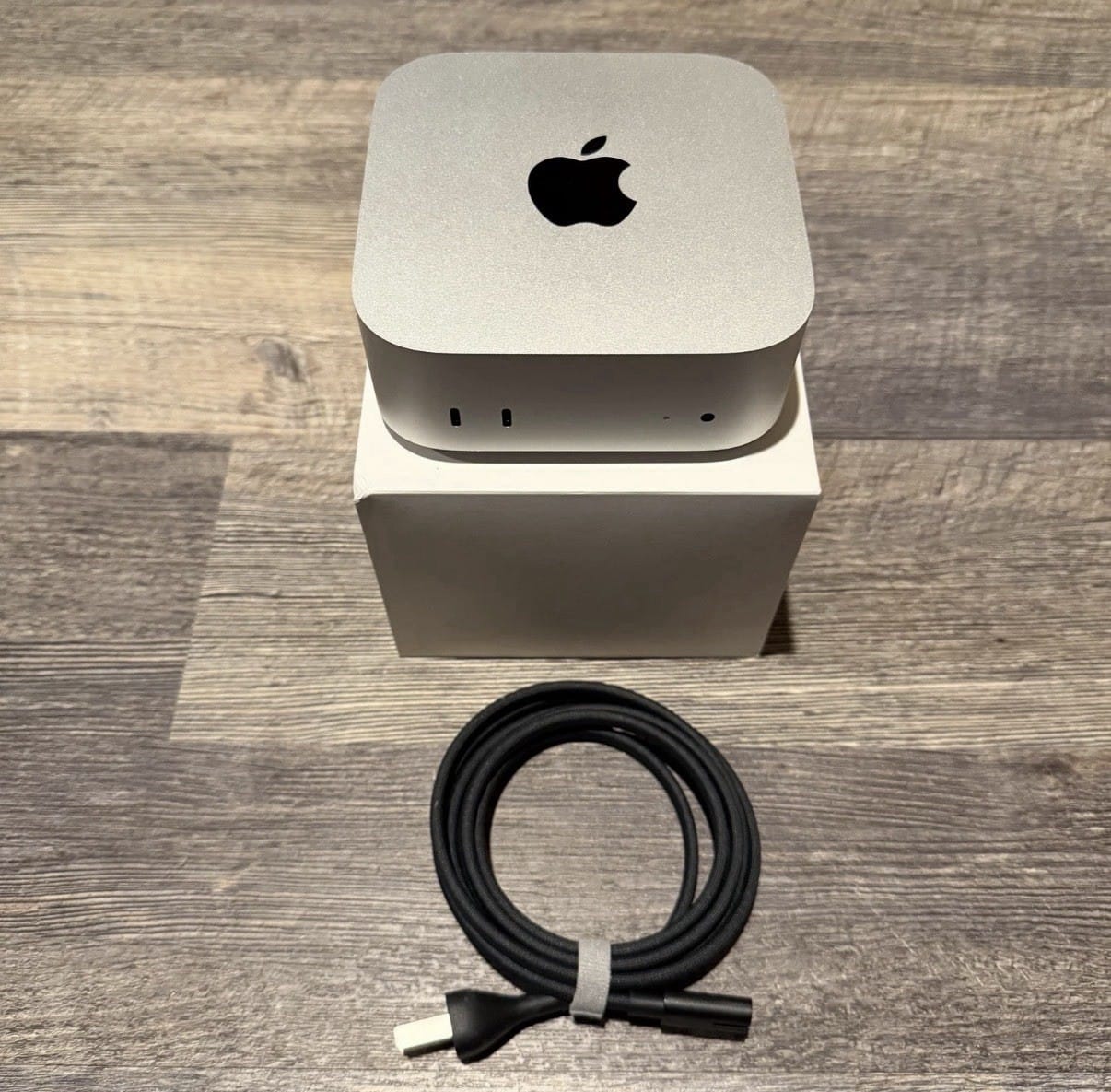
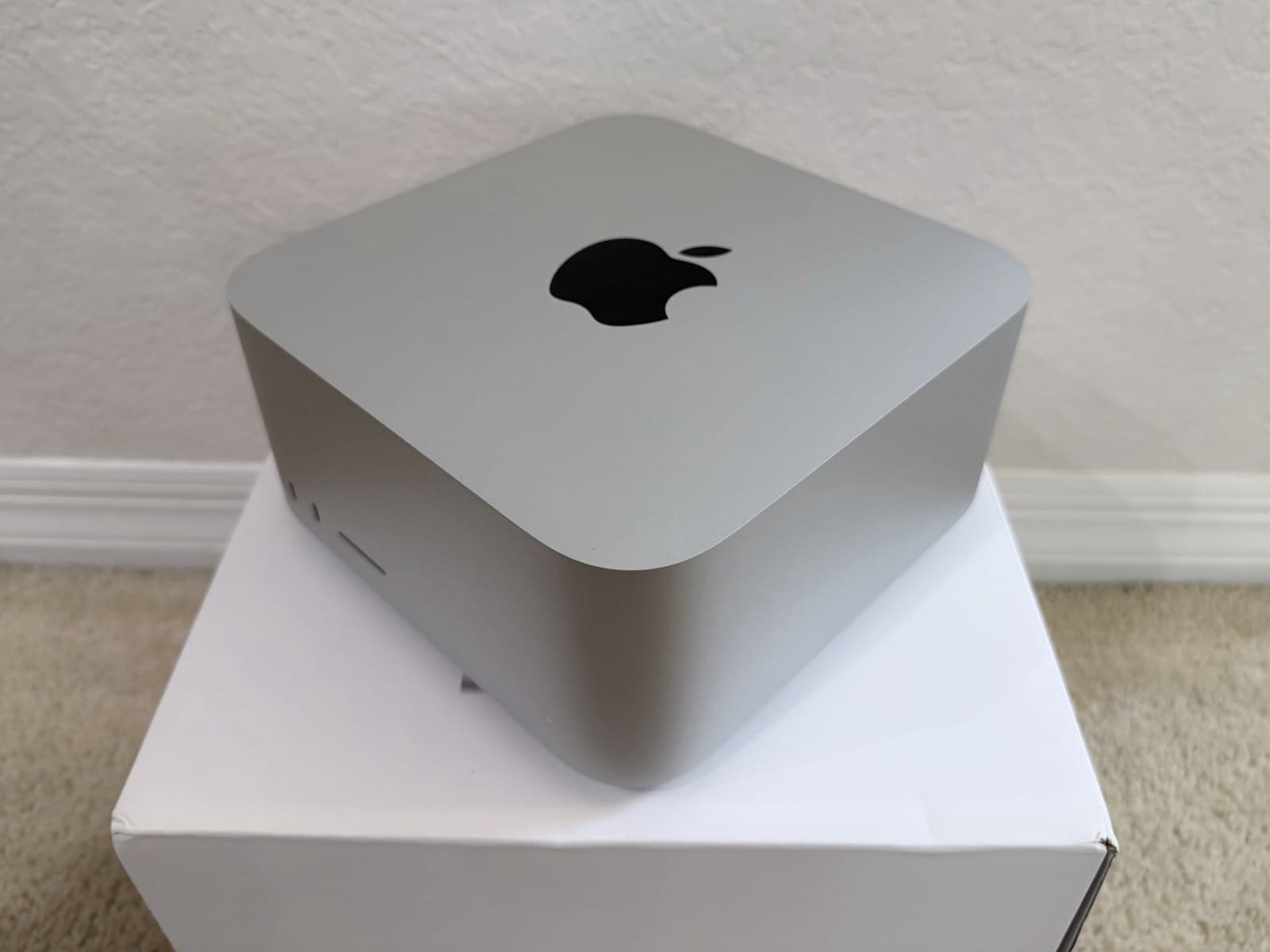
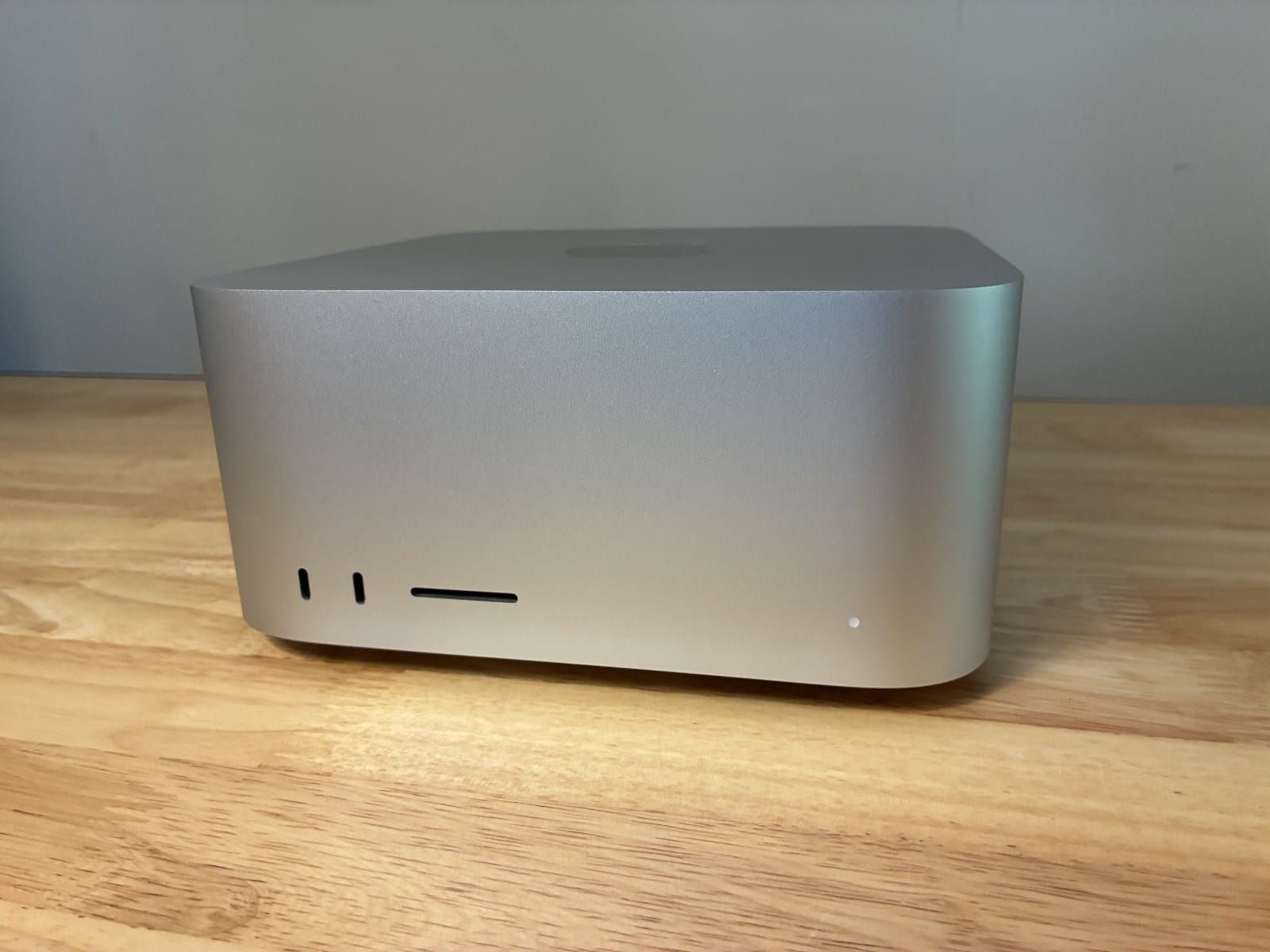
| 2-bit dynamic (Unsloth UD-IQ2_XXS) | ~241 GB | 256GB+ unified-memory Mac Studio (M3/M4 Ultra) | ~3–9 tok/s |
| 1-bit dynamic (UD-TQ1_0) | ~176 GB | Still needs 256GB; a 128GB Strix Halo box can't hold it | Quality falls off a cliff |
So the practical local options are narrow, per Unsloth's GGUF notes:
- If you want it local + private: a Mac Studio M3 Ultra with 256–512 GB of unified memory will hold the 2-bit dynamic quant and generate at roughly 3–9 tokens/sec, usable for async agent runs, painful for chat. It's the only single-box consumer machine that runs GLM-5.2 at all. Note even a 128GB Strix Halo box or a 24GB GPU is simply out, the weights don't fit at any usable quant.
- For everyone else, renting is the real answer. A model this size is the textbook case for cloud GPUs, rent the VRAM you need by the hour, or just hit the API. You give up the privacy edge, but you skip a five-figure machine to run a model you might only use occasionally.
Run the cost math before you commit. GLM-5.2's appetite cuts both ways: at roughly $4.40 per million output tokens and ~43k tokens per coding task, a heavy agent session is real money on the API; a 256GB+ Mac Studio M3 Ultra is a ~$9,500 outlay up front (a lot of API calls); and cloud rental sits in between at a few dollars an hour. Our buy-vs-rent-vs-API cost calculator will tell you where the break-even lands for your actual usage.
Not sure where your hardware lands? Run the numbers in our Can I run it? calculator, and use the quant picker to choose a GGUF that fits.
The bottom line
GLM-5.2 is a landmark: the most capable open-weight model yet by at least one credible measure, MIT-licensed, with a real efficiency innovation behind its million-token context. But "open" isn't the same as "runnable." Unless you own a 256GB+ Mac Studio, and can live with single-digit tokens per second at a 2-bit quant, this is a model you'll most sensibly rent or hit via API, not host at home. If you are shopping hardware to run frontier open models locally, the unified-memory Mac Studio is the realistic on-ramp, and it's the one machine here that clears the bar.
Who it's for: GLM-5.2 is built for agentic coding and long-horizon, long-context work, multi-file refactors, big-document reasoning, 8-hour autonomous runs. If that's your wheelhouse and you value privacy or independence from a hosted API, it's a serious tool worth the trouble. If you mostly want a fast local chat or coding assistant, you'll be far happier with a 30B-class model on a 24 GB card, quicker, cheaper, and genuinely good enough. Picking the biggest model on the leaderboard is rarely the right call for local use; picking the biggest one you can run well almost always is.
Sources & how we researched this
We have not run GLM-5.2 first-hand. This synthesizes Z.ai's model card and technical blog (specs, license, IndexShare); Simon Willison's independent write-up and the Artificial Analysis ranking; VentureBeat's reporting on the coding claims; latent.space on IndexShare; Unsloth's GGUF quant sizes; and Bijan Bowen's hands-on coding tests. Benchmark and parameter figures are the creators'/sources' claims; treat single-run results as directional.