For two years the local-AI desktop fight has been a two-horse race: Apple's Mac Studio on one side, NVIDIA's DGX Spark on the other. On June 1, NVIDIA quietly moved the goalposts, it revealed RTX Spark, a version of its desktop AI silicon designed to drop into a laptop. If you've been saving up for a machine to run big models at your desk, this is worth understanding before you spend.
🧮 Not sure your machine can run the models discussed here? Check it in our calculator →
What the RTX Spark is
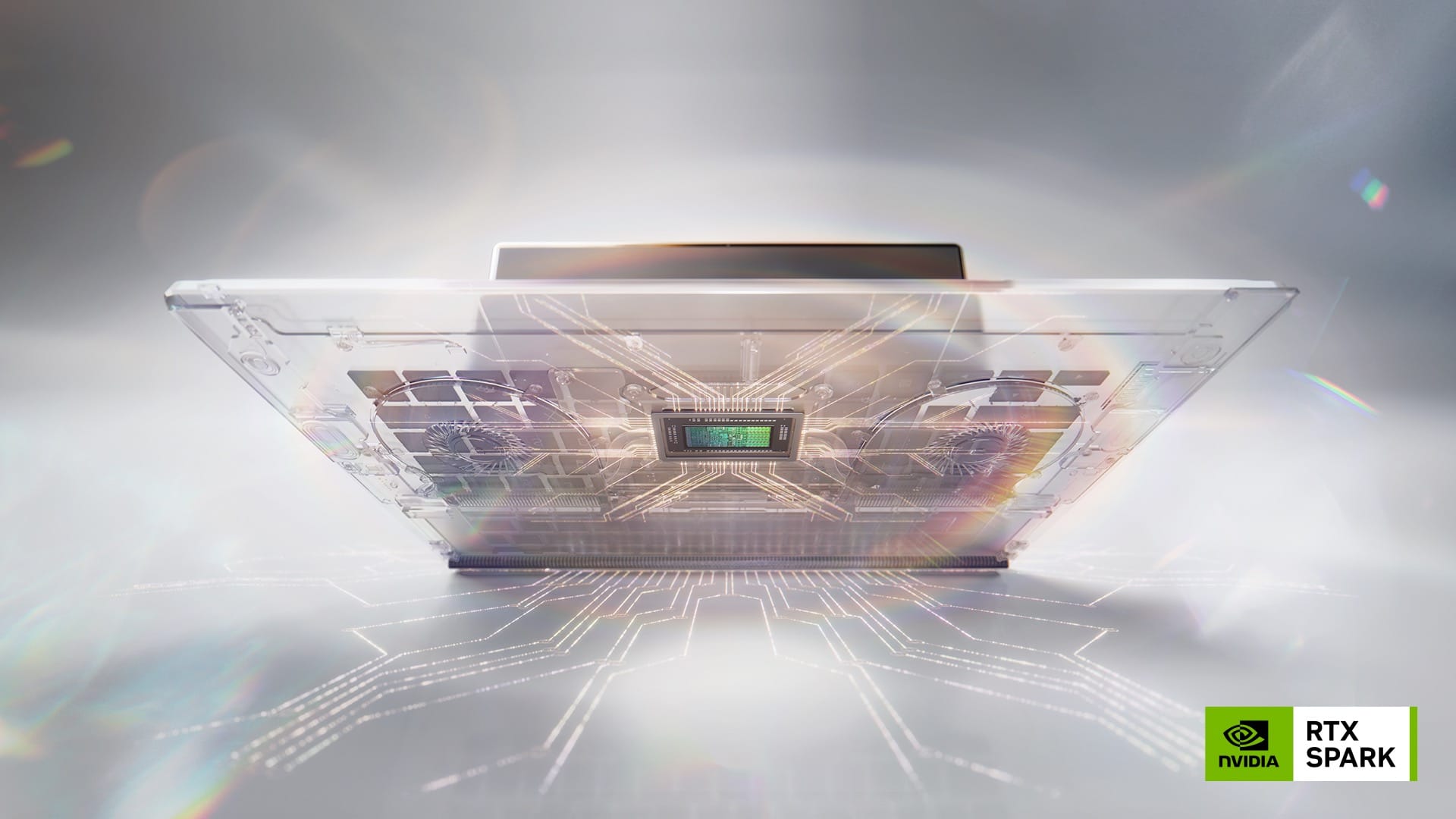
RTX Spark is, in plain terms, the DGX Spark's brain in a thinner package. It's Arm-based, pairing an NVIDIA Blackwell RTX GPU with a Grace CPU, effectively the same "GB10" superchip that powers the desktop DGX Spark. NVIDIA says Microsoft's new 15-inch Surface Laptop Ultra will be among the first machines to ship with it. The pitch is obvious: the CUDA-powered AI performance people buy a DGX Spark for, but in something you can close and carry.
Why it complicates the buying decision
Right now the two machines most people weigh look like this:
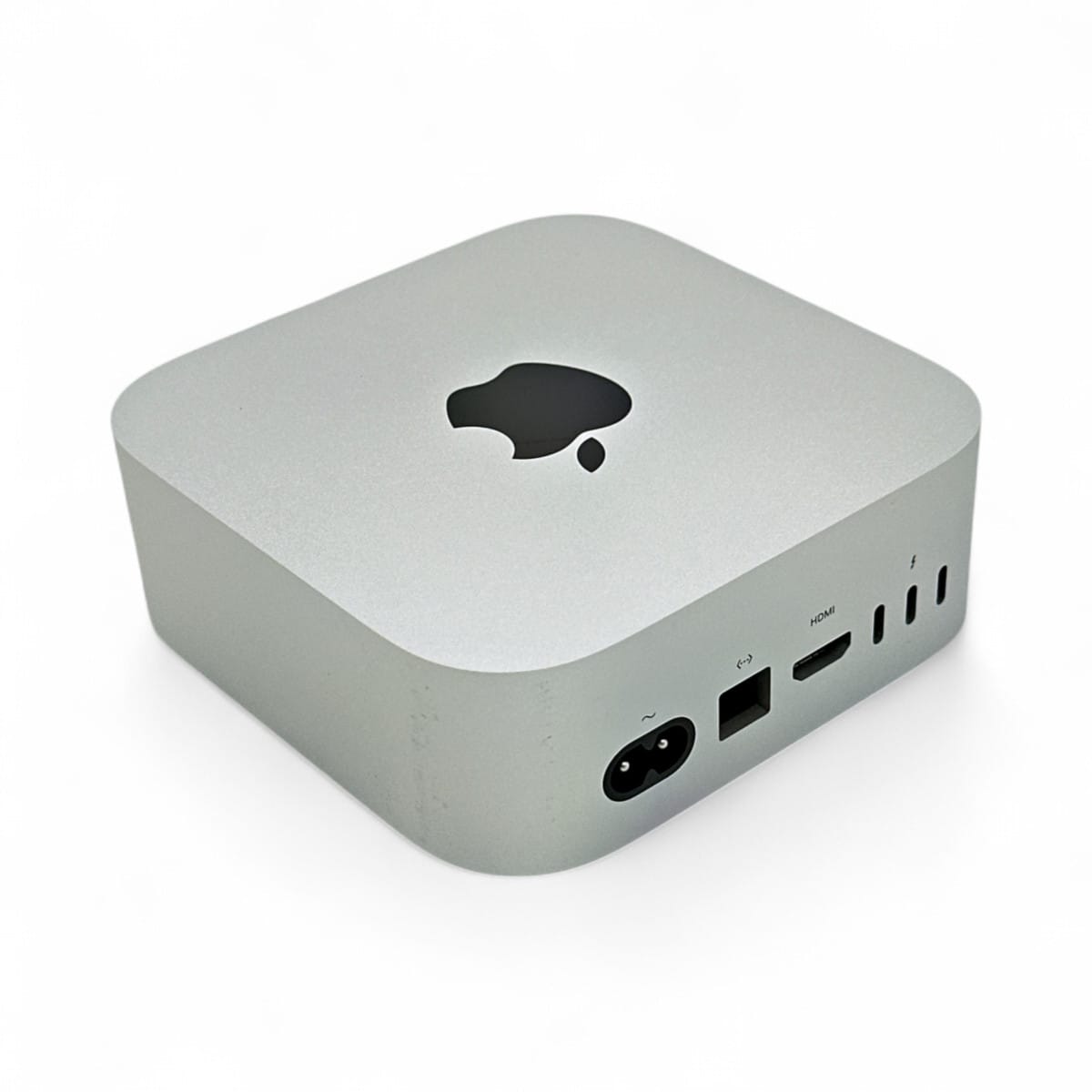
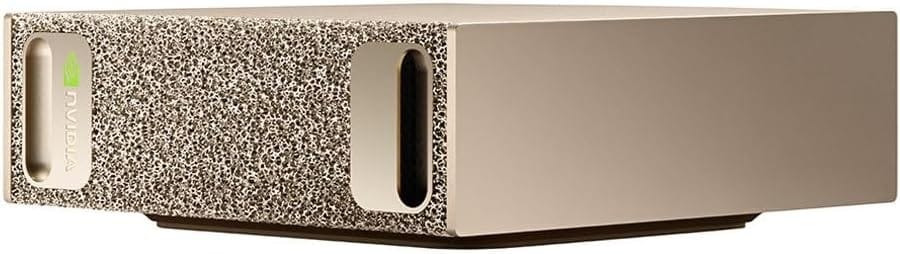
- NVIDIA DGX Spark, ~$4,699, 128 GB of unified memory, the full CUDA stack, and enough headroom to run 200B-parameter models locally. It's the raw-compute and software-ecosystem pick.
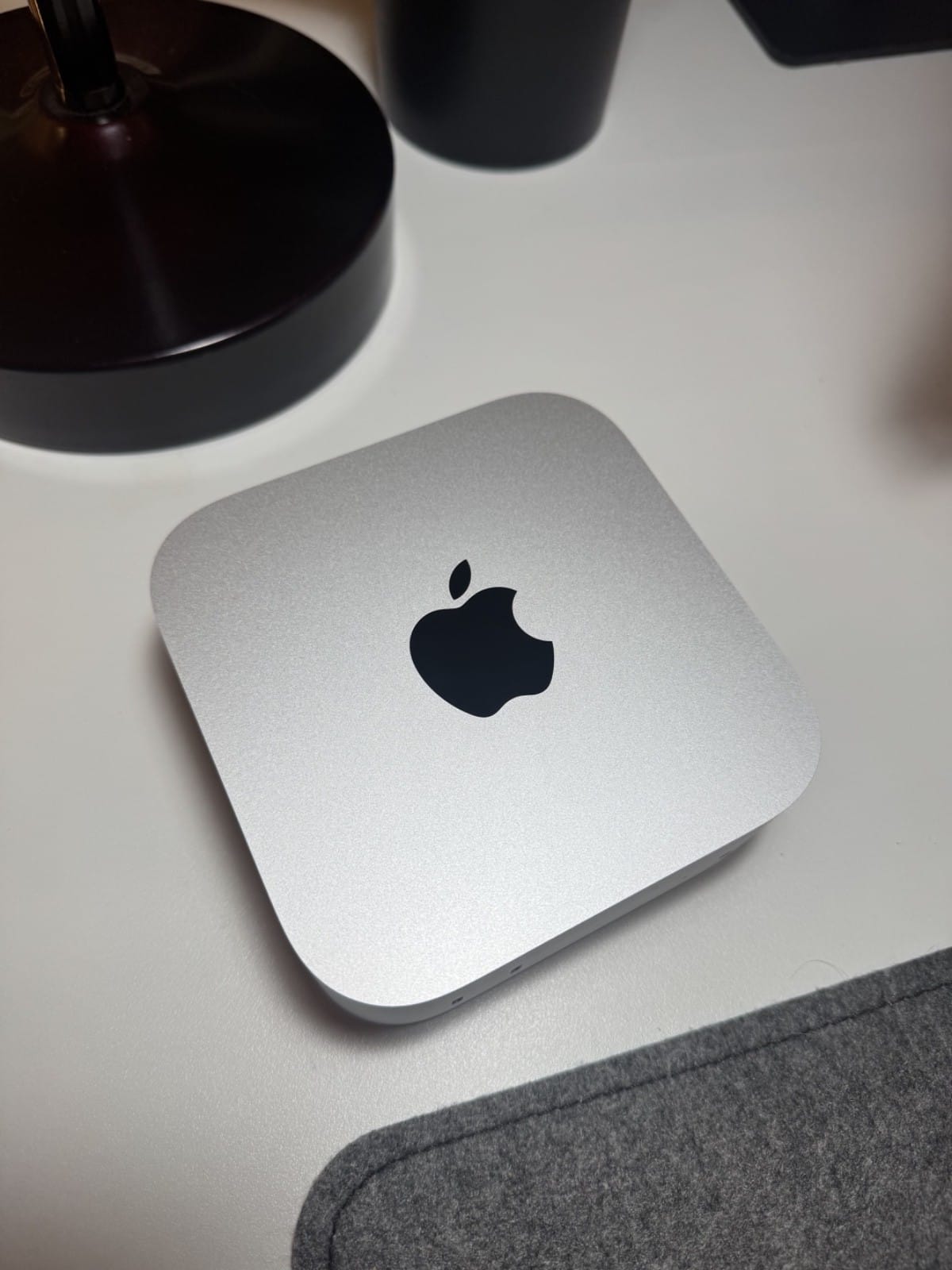
- Apple Mac Studio (M4 Max, 128 GB), ~$3,999, silent, runs macOS, and about $700 cheaper for the same memory. It's the versatile, do-everything pick that also happens to be excellent at local inference.
An RTX Spark laptop scrambles that math. If you can soon get DGX-class CUDA performance in a portable, the calculus of buying a stationary box changes, especially for anyone who values mobility over absolute throughput.
The RTX Spark isn't on sale yet, here's what to buy instead
Here's the straight read: the RTX Spark is announced, not proven, and you can't buy one today. Real-world battery life and thermals on a laptop GB10 are unknown, and first-gen hardware in a new form factor rarely ships flawless. So if you need a machine now, put your money toward something you can buy today and that we can point you to:
- Want the most flexible, lowest-hassle option? The Apple Mac Studio (M4 Max, 128 GB) is still the easiest machine to live with.
- Need CUDA and maximum local-model headroom? The NVIDIA DGX Spark remains the heavyweight.
- Value portability above all and can wait? Keep an eye on the first RTX Spark laptops, but let someone else find the launch bugs first.
What DGX Spark owners are saying
We pulled real discussion from r/LocalLLaMA, where people who've bought and benchmarked these boxes don't pull punches. The verdict is genuinely mixed:
- The case for it. A doctoral researcher (u/emdblc): it's "NOT faster than an H100 (or even a 5090)," but the all-in-one design and huge unified memory "enable us, a small group with limited funding, to do more research."
- The case against it. u/RockstarVP is blunt: "128GB shared RAM still underperform[s]… for $5k USD, 3090 still king if you value raw speed over design."
- The technical gripe. u/Dr_Karminski: the ~273 GB/s memory bandwidth is the real bottleneck, and measured FP4 throughput landed well under NVIDIA's headline "1 PFLOPS," with some units thermal-throttling under load.
- The blunt owner take. In a detailed AMA, u/sotech117 clocked GPT-OSS-120B around 31–34 tok/s but warned it runs "uncomfortably hot to the touch," has coil whine, and "makes more sense in a server rack", a 4090 was ~2.4× faster for pure inference.
The throughline: owners love the unified-memory capacity and wince at the price-to-bandwidth ratio, which is exactly why, if portability and CUDA aren't dealbreakers, the Mac Studio keeps coming up as the value pick.
The bottom line
RTX Spark is the most interesting thing to happen to local AI hardware this year, because it attacks the one advantage a Mac has always had over a DGX box: you can pick it up and walk away with it. But "interesting on a spec sheet" and "worth your money" are different things, and until we can test one, the safe buys are the machines that already earned their place on a desk.