The short version: GLM-5.3-Flash is a 320-billion-parameter Mixture-of-Experts model from Z.ai with only 18 billion active parameters, released under the permissive MIT license, and it posts benchmark scores approaching the closed frontier. The word "Flash" in the name is misleading: this is not a small or a fast model, it is a big-memory one. The smallest usable quant is about 93GB, so realistically it wants a 128GB machine at low precision or a 256GB Mac Studio at 4-bit. Here is what it is, what owners find, and what it takes to run.
We have not run this model. What follows synthesizes the model card and config, the GLM-5 technical report, an independent benchmark, and owner reports, all linked. Z.ai's own benchmark numbers are the maker's claims.
What Z.ai claims, and what is in the config
Z.ai's pitch is direct, from the model card: "With 320B total parameters and just 18B active parameters, it outperforms GLM-5.2 across benchmarks and real-world workloads at one-tenth the price." It is the first natively multimodal model in the GLM-5 line (image and video in, text out) with a one-million-token context. The claimed scores are strong: Terminal-Bench 2.1 84.3 (against Claude Opus 4.8's 85.0), DeepSWE v1.1 63.4 versus GLM-5.2's 46.2, AutomationBench 48.8 versus 26.2. Independently, Artificial Analysis scored it 57 on its Intelligence Index, well above the median of 29 for open-weight models of similar size. The config.json backs the shape: 45 layers, 288 routed experts plus one shared, 8 experts active per token, native FP8 weights.
The research behind it: hybrid attention
The reason an 18B-active model can serve a million-token context cheaply is its attention design, and this is the genuinely new part. The 45 layers split into 34 KDA (Kimi Delta Attention, a form of linear attention) layers and 11 sparse Multi-head Latent Attention layers, every fourth layer being the sparse one. The model card describes it as, for the first time in the GLM series, "a hybrid architecture combining sparse and linear attention, sharply reducing long-context serving costs." Z.ai claims this cuts attention compute about 3x and the KV cache about 4.4x versus a standard design. One caveat for citation-watchers: the linked paper (arXiv:2602.15763, "GLM-5: from Vibe Coding to Agentic Engineering") documents the GLM-5 flagship, not this Flash model specifically, so the architecture details come from the config and card, not a dedicated report.
Why the community got angry about "Flash"
Every prior GLM "Flash" was a small model you could run on a normal GPU. This one is 320B. The Hugging Face discussion titled "How is this Flash?" runs long, and the top comments are blunt: "This is full size of GLM-4.7 or half of 5.2. Calling it 'flash' is a very weird marketing ploy," and "We need a true successor to the GLM 4.7 Flash, not a fake 'Flash' model that's 10x bigger and impossible to run on local hardware." The "one-tenth the price" claim also deserves an asterisk: it is a per-token API price, not a per-task one, and the model is verbose, so a task that needs more tokens narrows the gap. Independent testing clocked its hosted output at 44.6 tok/s, below the median, and flagged it as talkative.
What hardware runs it
This is the part a local buyer needs. The model is far too big for any consumer GPU; it is a unified-memory or multi-GPU story. Verified GGUF sizes (Unsloth) and where each lands:
| Quant | Size | Realistic machine |
|---|---|---|
| UD-IQ1_S (1-bit) | 93GB | 128GB Mac / Strix Halo (raised limit); quality is rough |
| UD-IQ2_XXS (2-bit) | 102GB | 128GB machine, tight |
| UD-Q3_K_XL (3-bit) | 148GB | 256GB Mac Studio |
| UD-Q4_K_XL (4-bit) | 200GB | 256GB Mac Studio, comfortable |
| Q8_0 (8-bit) | 341GB | 512GB Mac Studio |
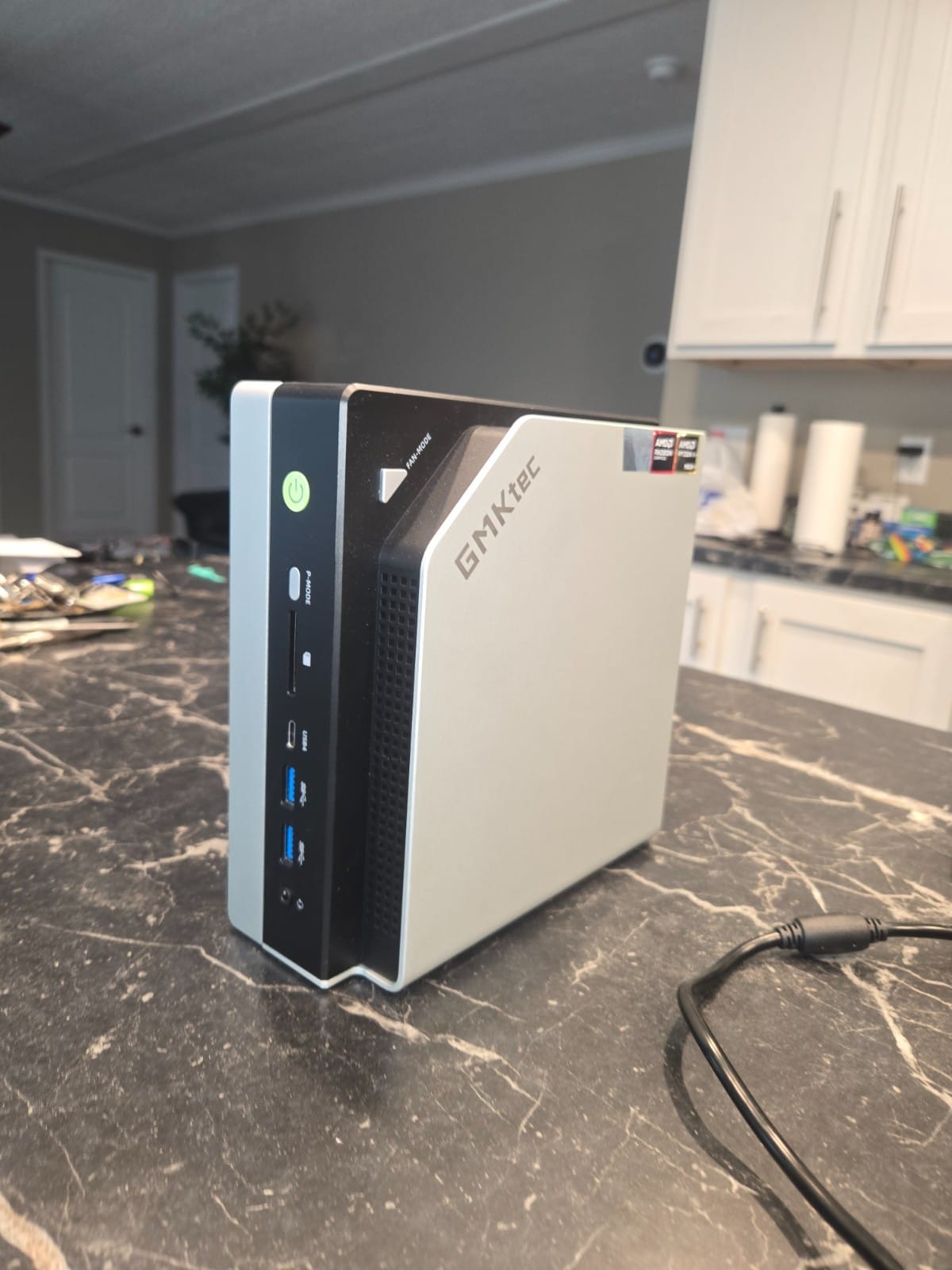
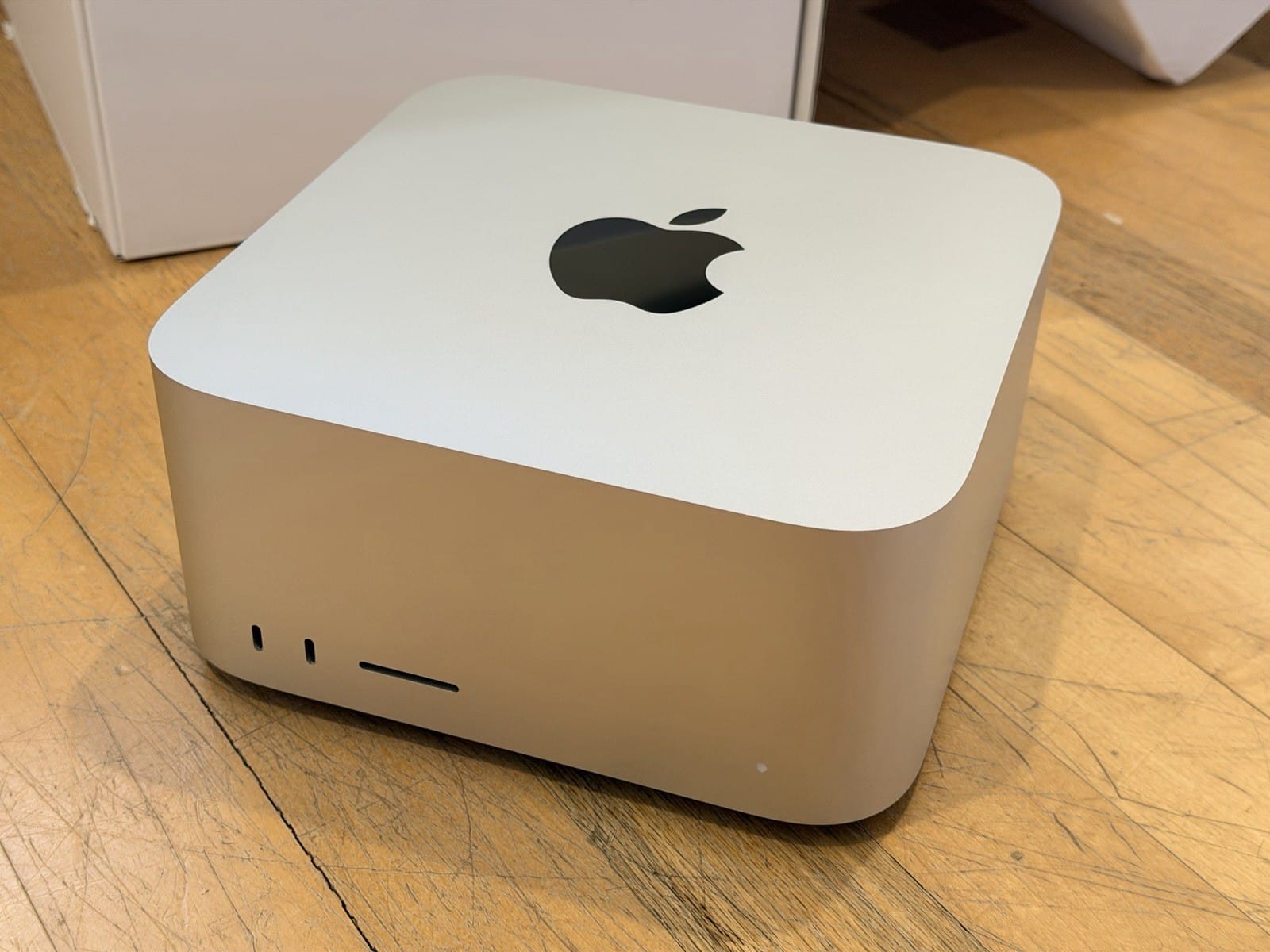
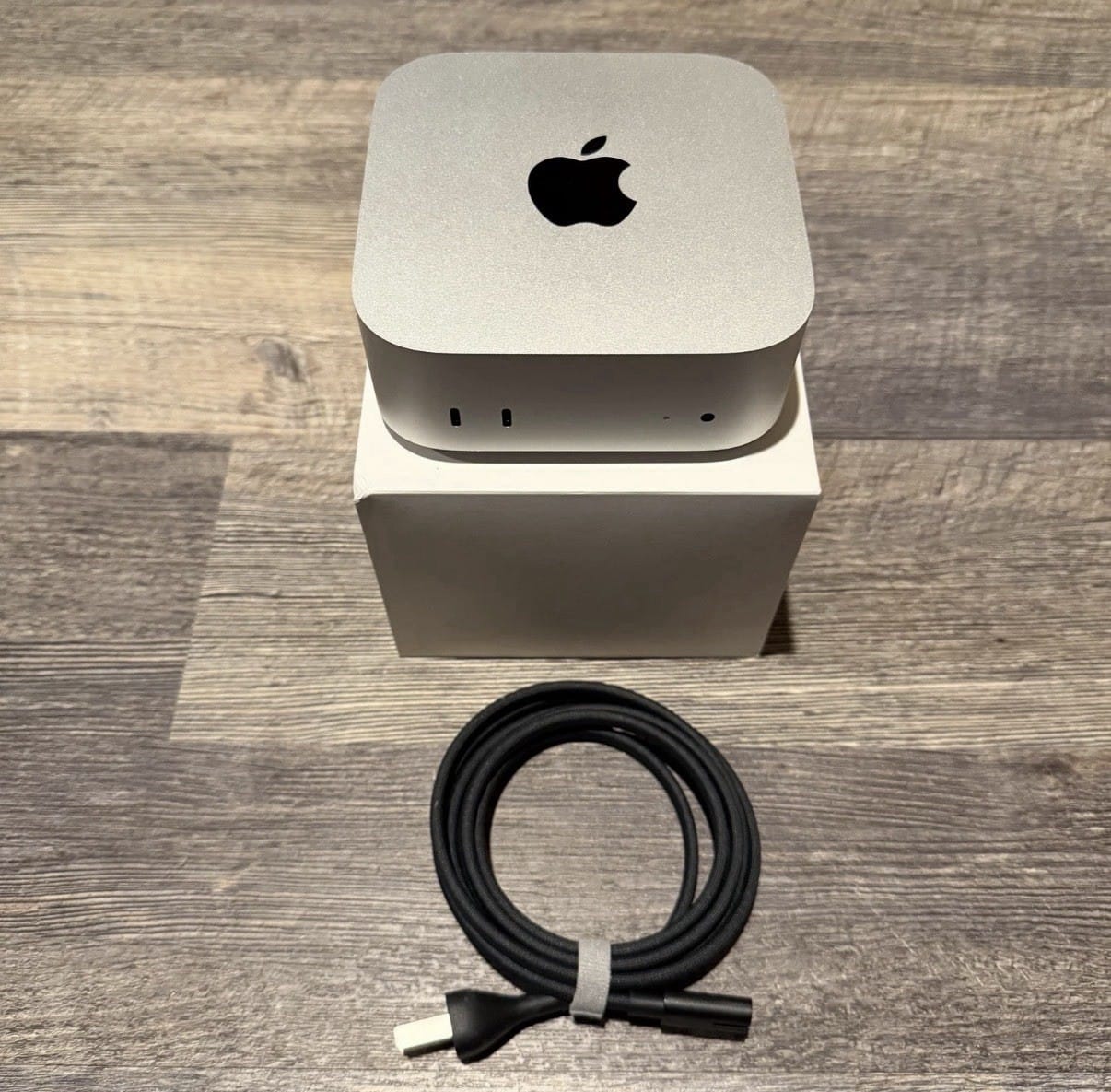
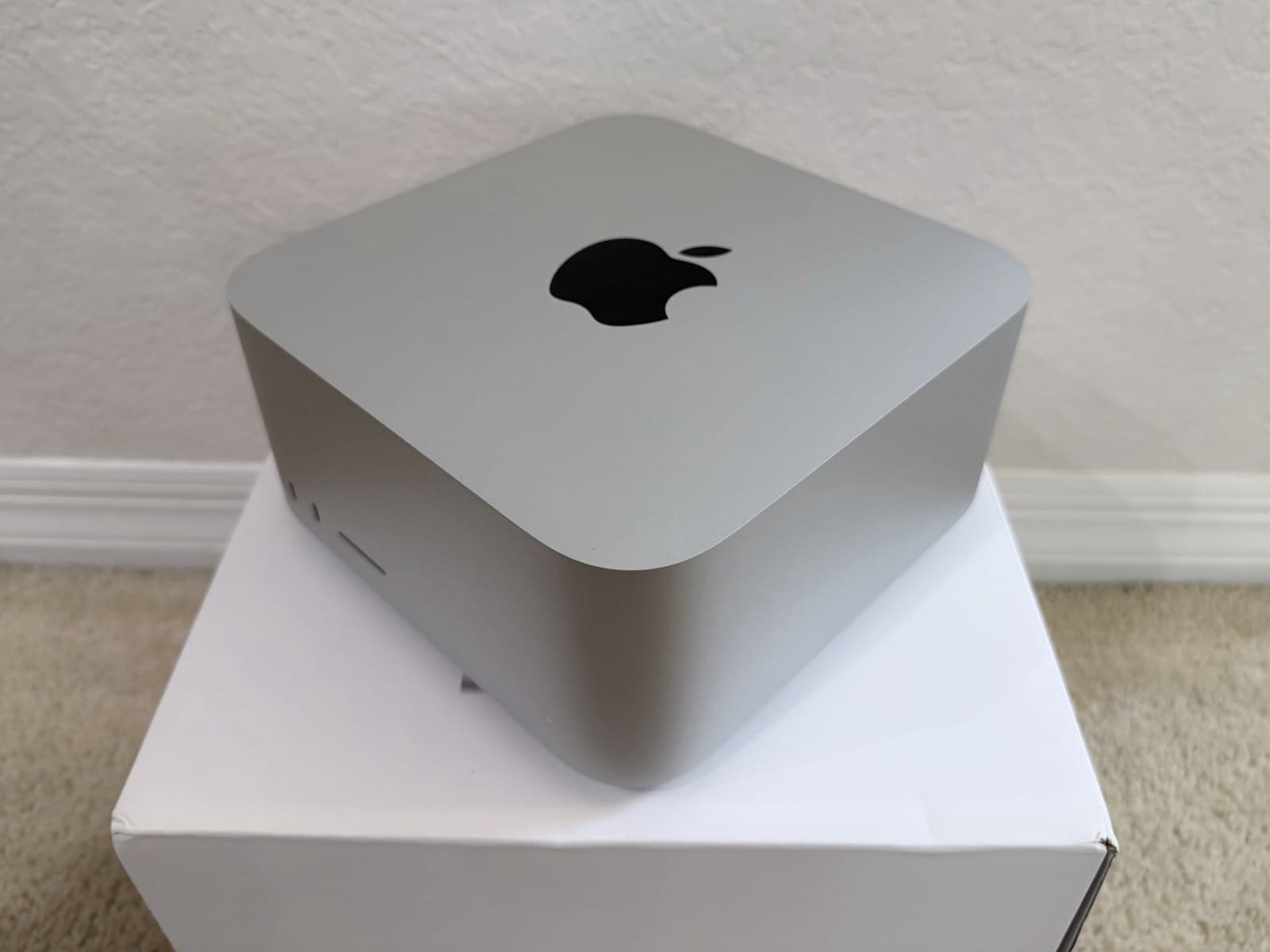
Unsloth's own guidance: 1-bit wants about 100GB of memory, 3-bit 128 to 150GB, 4-bit 162 to 210GB. So a 128GB box (a Mac or a Strix Halo machine) runs only the 1 to 2-bit builds, where users report code-generation failures; the model gets good on a 256GB Mac Studio at 4-bit and excellent on a 512GB one at 8-bit. Check your machine in our Can I run it? calculator before downloading a 200GB file.
Owner-measured speeds
Real numbers, attributed. On a 512GB M3 Ultra Mac Studio at 8-bit, one owner measured 18.7 tok/s generation with the model taking 328GB resident, and called it a milestone: "today was the first time ever that a local model (GLM5.3 8-bit) was able to match fable5 in our tests." Another M3 Ultra owner running an MLX build reported about 22 tok/s. Those are usable interactive speeds for a model of this capability, at a few hundred watts. The counterpoint, from the stealth-test period when it ran on Chinese inference chips: one user reported it "ran like shit. Very slow (~20tps, VERY high latency) and it would timeout all the time," a reminder that serving quality varies a lot by stack.
Runtime status and quirks
Support is still catching up, which matters if you plan to run it soon. Mainline llama.cpp had not merged the glm5next architecture as of early September (the pull request needed specific flags for correct output), and the MLX path requires the vision-capable build. Owners report verbose reasoning, occasional punctuation loops, and unreliable code at 2-bit. This is a model to run once the tooling settles, not a first-day download.
Our take
GLM-5.3-Flash is a genuinely important release for one reason: near-frontier agentic and coding quality, MIT-licensed, at 18B active, which is exactly the profile that suits a big unified-memory Mac. If you own or are buying a 256GB-or-larger Mac Studio, it belongs on your shortlist. If you have a 128GB machine, wait: the 1 to 2-bit quants you can fit are where the quality complaints live, and a true small "Flash" successor is what the community is asking Z.ai to ship. Do the buy-versus-rent math for a model this size in our cost calculator first.
Sources and how we researched this
- Claims, architecture, license: zai-org/GLM-5.3-Flash model card and config; family technical report GLM-5 (arXiv:2602.15763) (covers the flagship, not Flash specifically).
- Independent scoring: Artificial Analysis.
- Quant sizes and memory guidance from the Unsloth GGUF repository; the "Flash" debate and owner speeds from the Hugging Face discussions and Hacker News. We have not tested this model first-hand.
Related: M5 Max vs M5 Ultra for local LLMs · The attention rebuild · Why active parameters decide what runs · Which Mac for local LLMs